
- September 5, 2025
- SCWellness
- 7:21 pm
Depression is a serious, often debilitating mood disorder that can wreak havoc on your life and relationships.
People with depression may experience peaks and valleys, or depressive episodes, that leave them feeling helpless. Medication and counseling can help, of course, but so can a little self-care.
What is Depression?
Depression can look different for everyone, but some common symptoms include:
- Loss of interest in things you normally love
- Fatigue or loss of energy
- Trouble thinking, making decisions, or concentrating (“brain fog”)
- Disturbed sleep – either sleeping more than normal, or struggling to fall/stay asleep
- Changes in appetite or weight
- Thoughts of death or suicide
- Trouble managing normal, day-to-day tasks (personal hygiene, paying bills)
- Self-isolation – withdrawing from people, even people you love
- Feeling worthless or hopeless
What is self-care?
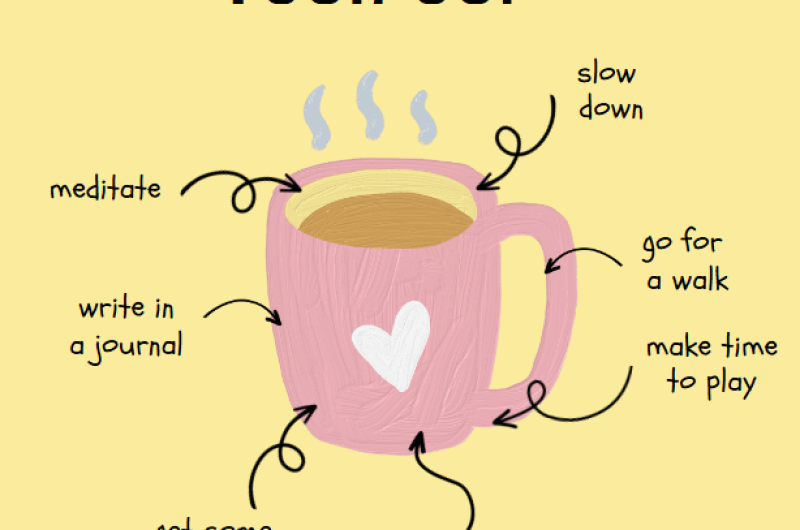
While self-care has become a trendy term, it tends to mean something different to everyone. For managing depression and mental health, self-care goes deeper than treating yourself to ice cream (although that may be something you want to try!). Depression has a way of making everything more difficult, including taking care of yourself physically, mentally and spiritually – whatever that may look like for you. Self-care is about more than instant gratification, it is about making sure your most basic needs are met so that you feel strong, grounded and healthy. Try choosing one thing to do for yourself each day that strengthens your mind, body and soul. Here are some ideas to help.

Body
Take a hot shower
When you’re depressed, things like basic hygiene feel like Herculean tasks. (Washing your hair is a whole process, right ladies?) Unfortunately, this can set off a vicious cycle – we feel bad, so we don’t take care of ourselves; then we feel worse because we didn’t take care of ourselves. If mornings are hard for you, try taking a shower at night. Even better, get yourself a bath bomb and enjoy a nice, hot bath. It’s amazing how being clean can help everything feel just a little bit better.
Pamper yourself
Skin, hair, nails, a massage – what would help you feel more healthy and put-together? If a whole skincare routine feels overwhelming, start with an at-home face mask or just a scented body lotion you enjoy. If your budget doesn’t allow for a mani-pedi, take a few minutes to paint your nails at home. Maybe something as small as upgrading your razor can make shaving easier to stay on top of. It doesn’t have to be big or expensive, it just needs to help you feel healthier and more confident.
Sleep
If only it were as easy as just “go to sleep,” right? Depression can wreak havoc on sleep habits, causing you to either sleep more than normal or inciting insomnia. As always, consult your primary care physician if you’re experiencing extreme sleep disturbances – there are medications and treatments that can help. But, depression can also nudge us into bad habits – such as doomscrolling or binge-watching/reading into the wee hours. Those habits can quickly spiral into worse, exacerbated depression symptoms. It’s not a matter of willpower, and sometimes it takes support to help break this cycle. Take a look at how much sleep you’re getting, and go from there. If you’re averaging 4 hours per night, try going to bed just one hour earlier. After a week, see if you can go another hour. It’s amazing how much better we feel when we’re well-rested.
Move
It’s well-documented that physical activity can boost mental health. The CDC recommends at least 150 minutes (about 2.5 hours) of moderate physical activity per week, noting that physical activity can improve brain health and help us sleep better. If you already have a regular fitness routine – great! If you don’t, start small. Turn on your favorite song and dance around the room for a few minutes. Take a 5-minute walk. Do some yard work. Spend 5 minutes stretching. Do the hokey-pokey if you’re so inclined. If you are able to do more, that’s great too. Sign up for a class, or go for a walk with a friend. Start where you are and work your way up.
Eat
Depression tends to operate in extremes – people in the midst of depressive episodes may lose their appetite and stop eating, or they may overeat. Since grocery shopping, meal prep and cooking can feel overwhelming to someone with depression, they may fall back on less healthful options like fast food. If you’re skipping meals or relying on takeout, start small – try eating one nutritious meal per day. If you can manage it, cook something at home one or two days per week. If that feels like too much, try buying your favorite fruit and adding it to your breakfast or lunch. Your brain will thank you!
Mind
Put down the phone
We all know our phones are a constant distraction, but it’s hard not to get sucked in. That said, it’s especially important for anyone struggling with depression or anxiety to take a brain break from those little screen sirens. Whether you tend to get sucked into social media, game apps, news or even reading, it’s important to take breaks. Check your screen time and see where you’re spending the most time, and go from there. Most experts recommend shutting all screens off at least an hour or two before bedtime; if that feels unrealistic, start with 30 minutes.
Talk to friends
You may need to pick the phone back up for this one. Depression tends to speak to us in a mean, nasty little voice that tells us no one wants to see or talk to us. That’s a lie. It’s important to not let that mean little voice trick you into self-isolation. Reach out to family and friends – visit them, or have them visit you. Call them, text them, video chat – stay in touch. (Call a friend while taking a walk, and you’re “bundling” two self-care tasks at once!)
Engage your brain
This can feel exceptionally hard when you’re depressed. When everything feels hard, why would you want to do something mentally taxing when binge-watching a silly show is so much easier? While occasionally relaxing to something light is fine – good, even – our brains need stimulation to stay healthy. Pick up a book you’ve been wanting to read, and even if you can only get through one chapter, that’s something. Do a crossword puzzle. Try crocheting. Put together a puzzle. Paint something. Try learning a new language. Play an instrument. Whether it’s a new or old hobby, getting your brain in gear will help you feel better.
Declutter
Our physical spaces have an impact on our mental space, so take a look at your physical space and evaluate how it makes you feel. Cleaning can be another one of those vicious cycles – I haven’t cleaned because I’m depressed/I’m depressed because of how dirty things are. Take 5 minutes to tidy up/declutter your space. If it feels overwhelming, just do one small thing per day. Set a timer – while heating something in your microwave, see how many dishes you can put away. Make your bed. Take out the trash. Vacuum the floor. You’d be amazed how much tidying you can accomplish in 60-second bursts, and those little bursts might help motivate you to keep going.

Soul
Meditate
Whether you’re religious or not, meditation can be greatly beneficial. There are several different ways to meditate, including body scans and deep breathing. The common thread is that it forces us to take a few minutes to simply stop and breathe, which can help us reset and refocus.
Gratitude journaling
Depression turns our brains into unreliable narrators, and one of those false narrations is a focus on all pain and negative things. To be clear, your pain is valid and not to be minimized. You shouldn’t feel guilty for feeling depressed just because you have things to be grateful for, as well. However, sometimes taking a moment to write down the things we love and the blessings in our life can release some of those happy endorphins that make life a little bit brighter.
Give back
This one can be exceptionally hard depending on the severity of your depression symptoms; however, volunteering or being involved in something that contributes to your community can be a huge boost to your mental health. Whether it’s singing in a church choir, helping at a food pantry or even just visiting an elderly neighbor, we feel better when we know we’re helping each other.