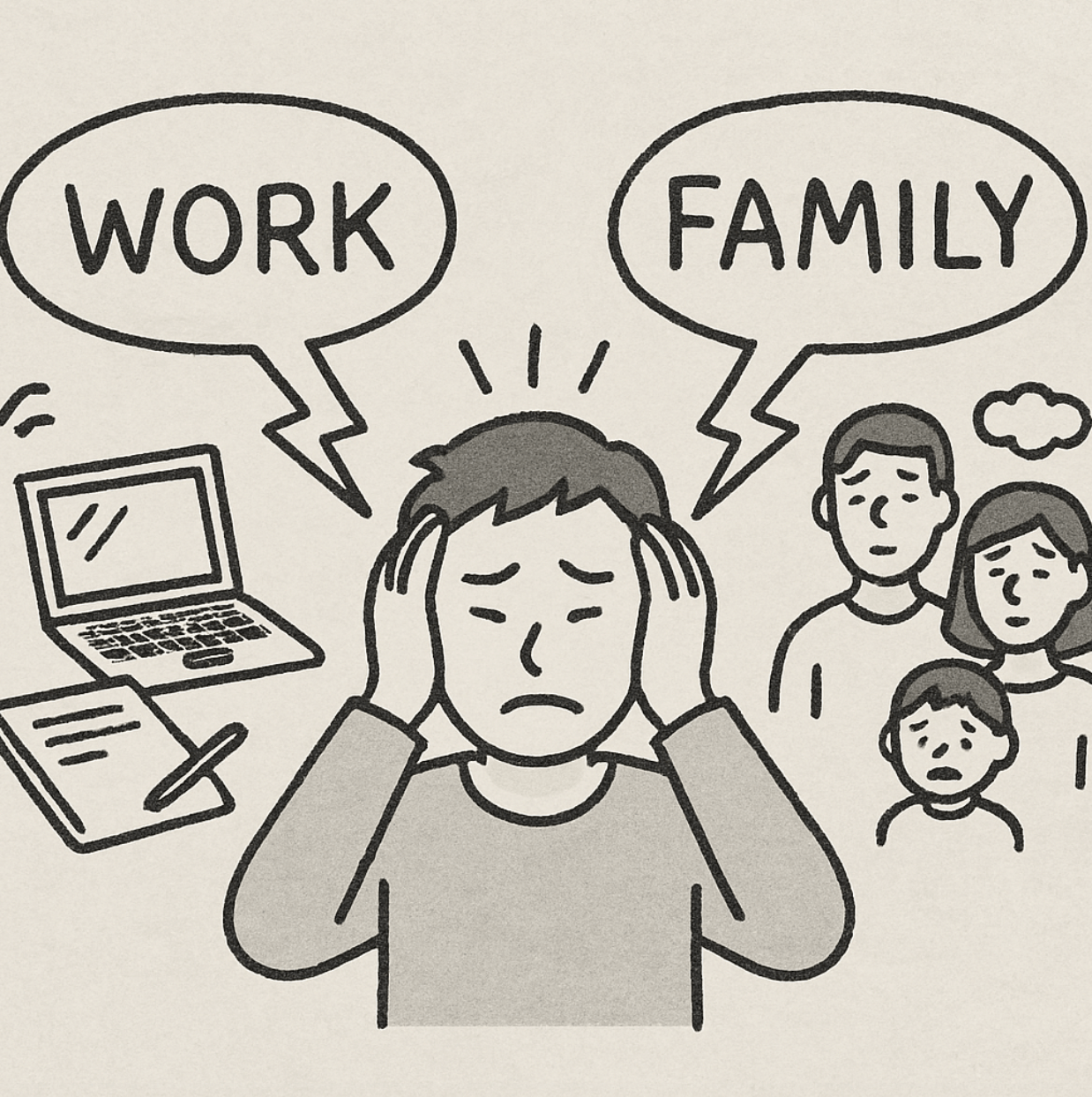
Daily stress is the pressure or tension that affects us each day. It stems from various sources, often linked to daily tasks and obligations. Understanding what stress is and why it happens is key to managing it effectively.
The impact of daily stress on health cannot be understated. It affects mental clarity, emotional well-being, and physical health. Recognizing stress signals allows us to take quick action.
Signs of stress can vary but often include:
Managing stress involves more than just dealing with pressure. It’s about finding ways to maintain a clear mind and positive outlook. Addressing stress early can prevent long-term effects.
Daily stress management matters because it leads to a more fulfilling life. Reducing stress can improve happiness and health. Understanding the origins of stress empowers us to find effective solutions.
Daily stress often arises from demands at work, school, and home. Balancing multiple roles can feel overwhelming. Time pressures and high expectations compound these stressors.
Emotional and physical signs of stress manifest differently in each person. Physical symptoms may include tight muscles or fatigue. Emotional signs might involve anxiety or irritability.
Recognizing stress triggers helps in devising strategies to cope. Common sources include:
Learning to identify these signs allows for proactive stress management. Early recognition of stress symptoms enables timely intervention. This awareness is crucial for maintaining mental and physical health.
Effectively managing stress enhances both mental and physical well-being. A calmer mind often leads to improved decision-making and focus. Physical benefits include fewer stress-related aches and a stronger immune system.
Adopting stress management strategies can result in:
Fostering resilience against stressors improves overall quality of life. It also boosts productivity and fosters more meaningful relationships. With less stress, daily tasks become more manageable and enjoyable, leading to a more balanced, fulfilling life.
Incorporating simple strategies into daily routines can greatly reduce stress levels. These techniques are easy to adopt and can be tailored to individual needs.
Some effective strategies include:
Each of these strategies plays a unique role in combating stress. By consistently applying them, one can achieve a peaceful and centered lifestyle. Start small and gradually incorporate more techniques to build a comprehensive stress management toolkit.
Physical activity is a powerful antidote to stress. It releases endorphins, which boost mood and reduce tension. Aim for at least 30 minutes of movement daily, whether it’s walking, dancing, or yoga.
Some activities that effectively manage stress:
Regular exercise also improves sleep quality, further lowering stress. It’s important to choose activities you enjoy, making it easier to incorporate them consistently.
Diet and hydration play crucial roles in stress management. A balanced diet supports physical and mental health. Include diverse foods that provide essential nutrients.
Proper nutrition boosts overall mood and energy, preventing irritability linked to stress. Adequate hydration is fundamental for peak brain function and emotional stability.
Quality sleep is paramount in managing stress. It recharges the brain, allowing it to handle stressors more effectively. Establish a restful nighttime routine to improve sleep.
To enhance sleep quality:
Sufficient sleep rejuvenates your body and mind, making daily challenges seem more manageable. Prioritize rest as a vital part of stress management.
Being organized reduces feelings of overwhelm. Establish clear priorities to focus on what truly matters. Break tasks into small steps to avoid procrastination.
Structuring your time effectively can drastically lower stress. By clearly defining priorities, you can achieve a more balanced and satisfying daily rhythm.
Relationships provide essential emotional support in stress management. Sharing feelings with friends or family reduces isolation and fosters connections. Engage in meaningful conversations regularly.
Ways to strengthen connections:
Having a supportive network encourages resilience against stress. The sense of belonging and understanding from others significantly boosts mental health.
Engaging in hobbies can provide much-needed mental breaks. Creative pursuits like painting or music enhance mood and reduce anxiety. Regular laughter is equally therapeutic.
Ideas for incorporating more joy:
Laughter and creativity lighten the mood, offering relief from daily stressors. They are excellent outlets for self-expression and joy.
Constant connectivity can contribute to anxiety. Regularly stepping away from screens can provide mental clarity. Designate specific times for a digital detox each day.
Practices for reducing tech-related stress:
Taking breaks from digital devices fosters mindfulness and helps reclaim peaceful moments. This balance is crucial for long-term stress management.
Resilience is key in managing stress effectively. It involves adapting and thriving amidst challenges. Cultivating a positive mindset enhances resilience, enabling you to face stress with confidence.
To build resilience and positivity:
These practices shift your perspective from negative to positive, empowering you to handle stress better. Embracing positivity can transform stress into personal growth opportunities.
Resilient individuals tend to recover more quickly from setbacks. With consistent effort, you can strengthen your mental fortitude and enjoy a more balanced and fulfilling life.
Sometimes, stress becomes overwhelming, and self-management isn’t enough. Recognizing when to seek professional help is crucial. Persistent stress impacting daily life signals a need for expert guidance.
Consider consulting a professional if you experience:
Therapists can offer tailored coping strategies and support. Seeking help is a proactive step towards reclaiming your well-being and maintaining a balanced, stress-managed life.
Crafting a personal stress management plan requires understanding your unique stressors. Begin by identifying sources of stress in your life. Set clear, realistic goals to address each one effectively.
Consider including the following in your plan:
Regularly review and adjust your plan. Personal growth and stress management are ongoing journeys. This tailored approach ensures your plan evolves with your needs, supporting a calmer life.
Managing daily stress is crucial for a healthy life. By applying these strategies, you can gradually enjoy more peace.
Cultivate habits that support your well-being and adjust them as needed. Embrace the journey towards a balanced life, and discover the joy of living with less stress.